
Your favourite colour says almost nothing about you, and I can say so with unusual confidence, because somebody finally checked. In 2021 Domicele Jonauskaite and colleagues took eleven claims from the websites that explain what blue people and red people are like, turned each into a prediction, and tested all eleven on 323 people who had filled in a proper personality questionnaire. None held. They then went looking for any link at all between favourite colour and personality, and found nothing worth reporting. The paper's title is the verdict: not much.
I would have told you that for free, and the reason is arithmetic. In 2015 YouGov asked people in ten countries on four continents to name a favourite colour, and in all ten the answer was blue, by between 23 and 33 per cent. A third of Britain shares your favourite. It identifies you about as well as having a nose does. So this note is not about the colour someone chose. It is about the colour a thing has become, which is a different subject and a far better one, because sun and soap keep honest records and people do not.
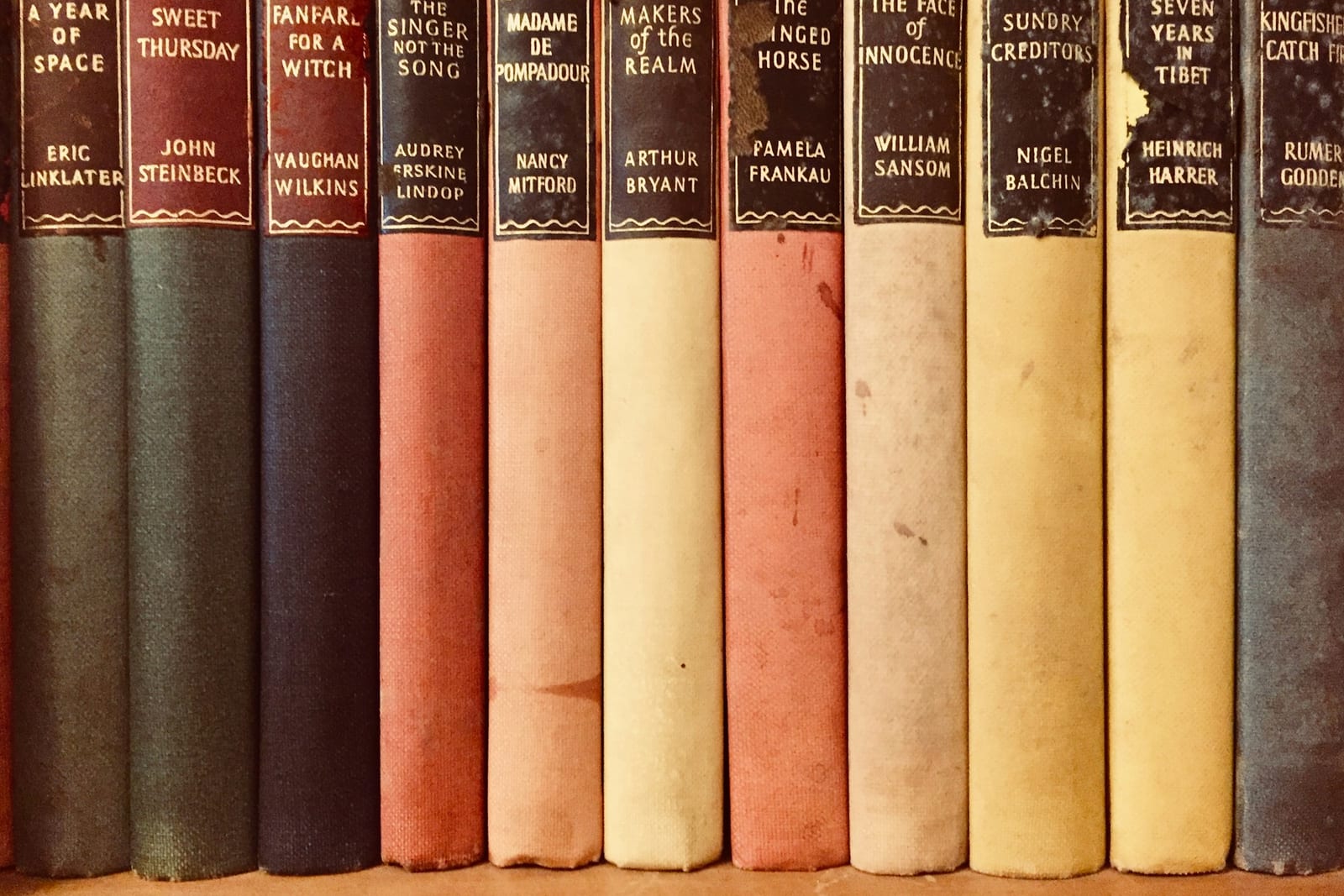
Sun keeps a ledger
Light breaks dye, and it breaks some dyes faster than others. In printed colour the magenta and yellow inks fail first and the cyan holds on, which is why an old sign turns blue. A blue shop sign that was never meant to be blue has hung in that spot for years, and the shop has been there at least as long, unless the sign came with the premises, which a mismatch between the name on the sign and the name on the window will tell you.
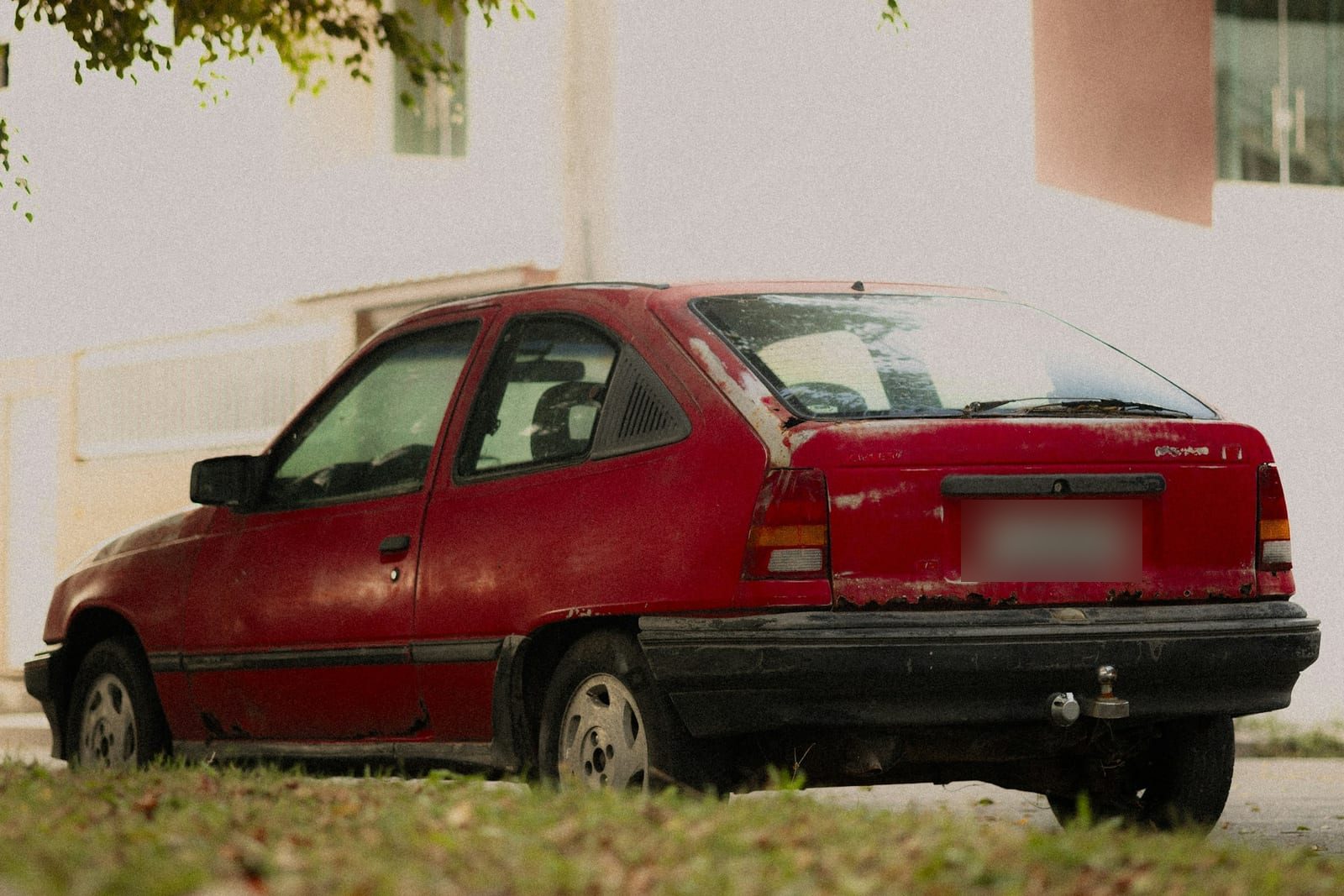
Cars keep the same ledger on their roofs. A red car gone chalky pink on the roof and the bonnet, still a true red on the doors, has stood outside through a decade of summers with the sky on top of it and the doors in their own shade. If one door is a brighter red than the rest, it is newer than the rest: a replacement after a knock. Count what faced the sky and you have the years. Compare the panels and you have the repairs. The car has told you how it was kept and what happened to it, and not one word about the person who drives it, who may have bought it last month.
Washing keeps a second one
Soap fades a garment from the edges in. A black T-shirt goes grey at the seams and the collar first, because that is where the cloth rubs on itself in the drum, and a black shirt that is grey all over has been through the wash more times than its owner would admit. Indigo sits on the surface of denim thread, so jeans pale at every fold: the whiskers at the hips, the honeycombs behind the knees, and a rectangle on one front pocket the exact size of a phone. That rectangle is my favourite mark on any garment. It gives you the hand, the pocket and the habit in one pale shape, and it cannot be bought, though people have tried.
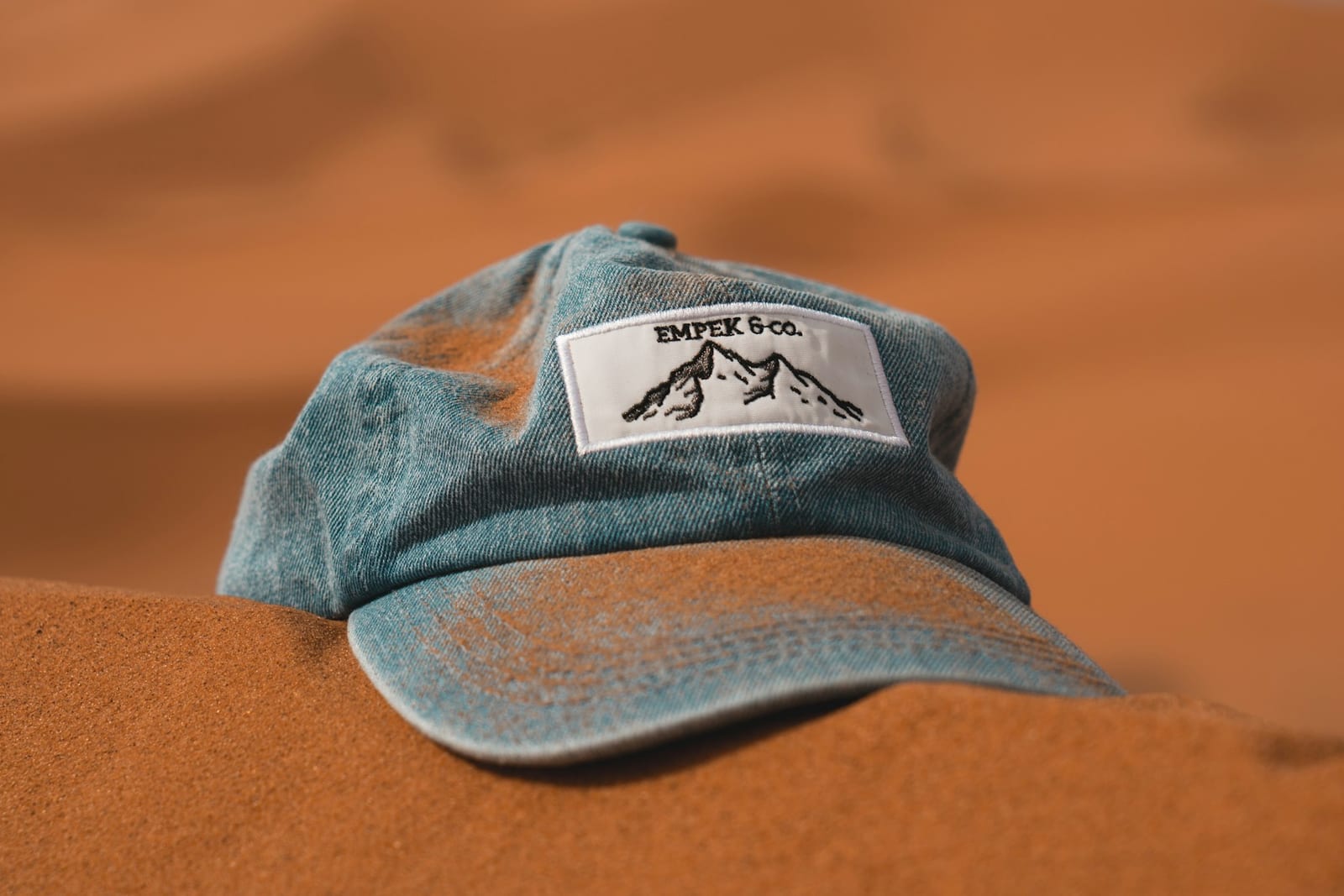
A cap tells you the most for the least effort. The crown fades, the underside of the peak does not, and the underside is your control: hold the two together and you can read how much weather the crown has had. Under a strap, under a badge, under a sticker, the original colour survives, and that patch of survival is the measure of everything around it. A bag with a bright stripe where a luggage tag once sat has been carried far more than it has been labelled.
Rooms keep their old colours
Walls remember what hung on them. A square of darker paint where a picture used to be is the wall's original colour; the rest has faded or yellowed around it, and the sharper the edge, the longer the picture stayed. A pale strip on a wooden floor is a rug that has moved. A sofa whose window arm is paler than its room arm has stood in that position for years, and if the cushions do not match the arms, somebody has turned them over to hide it. None of these marks say who lives there. They say how long things have stood where they stand and which way the light comes in, which is a surprising amount of a story once the question is right. The Bureau's case of a radio on a windowsill turned on exactly this: one dark rectangle on a sun-faded bookcase, the size of the radio's base.
Colour nobody chose
Most colour on a person was chosen by something other than the person. A hi-vis vest is the colour of a regulation. A fleece in a company's green is the colour of an employer. A hire bike is the colour of a city's contract, and a child's lunch box is the colour the child insisted on in the shop. A scarf in a club's colours tells you a scarf was bought, and probably where, and nothing about how the person feels on a Saturday. Before you read any colour as taste, ask who chose it and what the alternatives were. Often you know neither, and then the honest answer is that it is a green shirt.
Even a free choice is thin. People buy what was on the rail, in their size, in the sale. A wardrobe that is all black may belong to someone who likes black, or to someone who stopped having to decide, or to someone who works in a kitchen, and the wardrobe does not say which. The wear on the clothes does, and I have a separate note on reading that.
The traps
Colour is where the careless reader goes wrong fastest, because colour carries meanings agreed long ago by people who never met the person in front of you. Pink and blue are not a verdict on anyone. A colour worn by a nation, a faith or a movement is at most a membership someone else can see, and more often it is the shirt that was clean. I do not read religion, nationality, politics or anything else about who a person is from the colour on their back, and a reading that does is a prejudice with a paint chart. The question I allow colour to answer is never who. It is how long, and which way did it face.
What I would let a colour tell me
How long a thing has been in the light, from how far it has faded against its own protected patches. Which side faced the window. How many washes a shirt has had, roughly. Whether a panel, a tile or a patch of paint is newer than its neighbours. Which pocket holds the phone. Which arm of the sofa gets the afternoon. Never a temperament, and never a favourite anything, because the thing a person likes is the one piece of evidence that fades slowest and tells you least. The same discipline holds for a coffee order: when a quiz says your choice reveals you, look for the second mark, and there is usually none.
Somewhere in today's photograph a colour has changed since it was new. Find it, and say what changed it, before you say anything about the people.