
There are seven marks in the photograph of the car below, and each one says something about the person who parked it. You have sixty seconds, and you may not tap anything yet. Look, then write down what you would say about the owner: who rides in this car, what a Monday looks like for them, and what has gone wrong lately. Then tap the marks and count. Nothing is hidden. Every mark is in plain sight, which is the point, and the reason the test is harder than it looks.
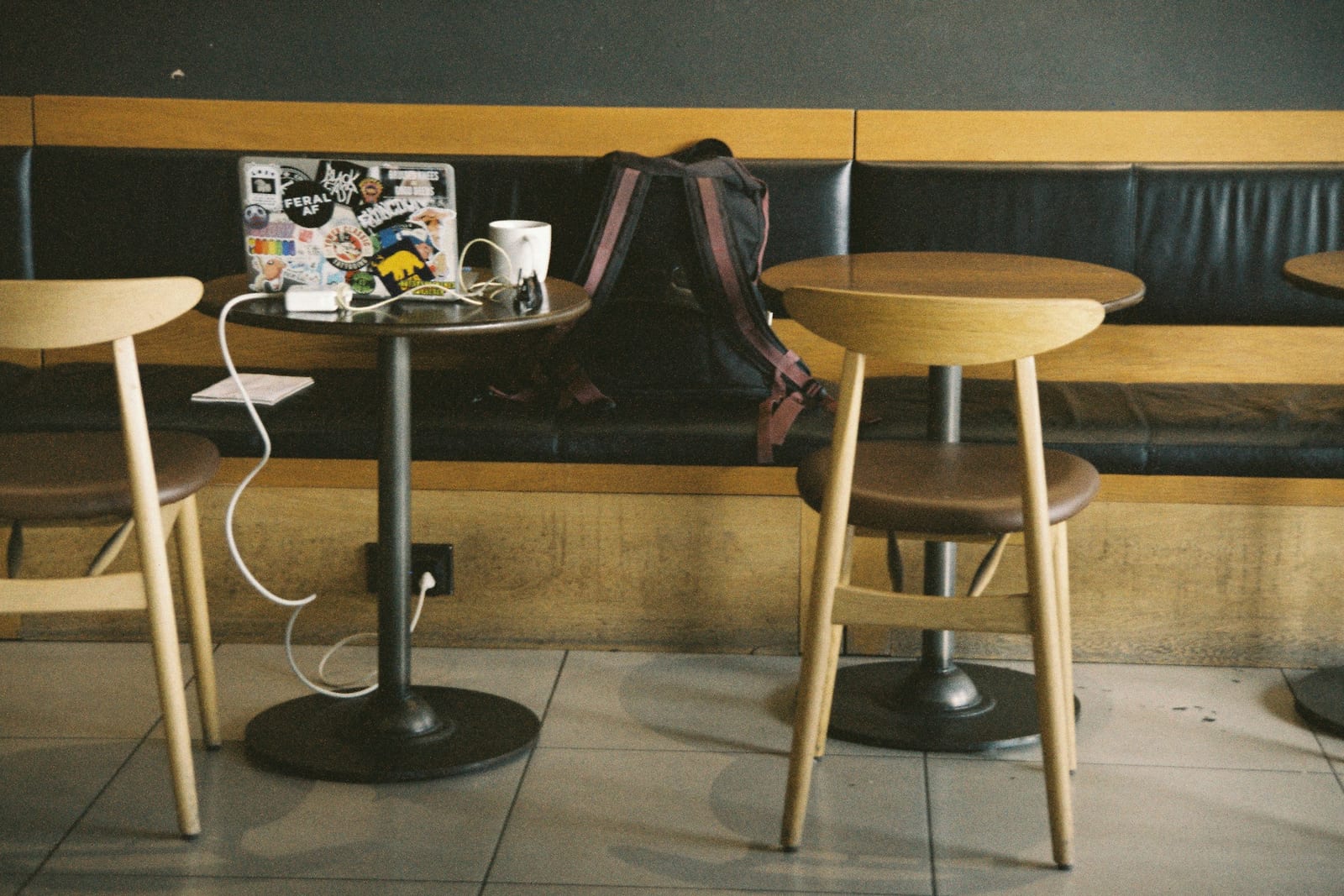
Further down there is a second test with no markers at all, on the café table photographed below. Leave it for now. Your eye is about to be busy.
How to score
- Sixty seconds of looking, no taps. Write your notes before you touch the photograph.
- One point for every mark you had already written down. One more for every mark whose meaning you had as well, not just the object.
- Fourteen is the ceiling. Nobody is watching, so mark yourself the way a stranger would.
Test one: a parked car, Monday morning
A parked car, Monday morning
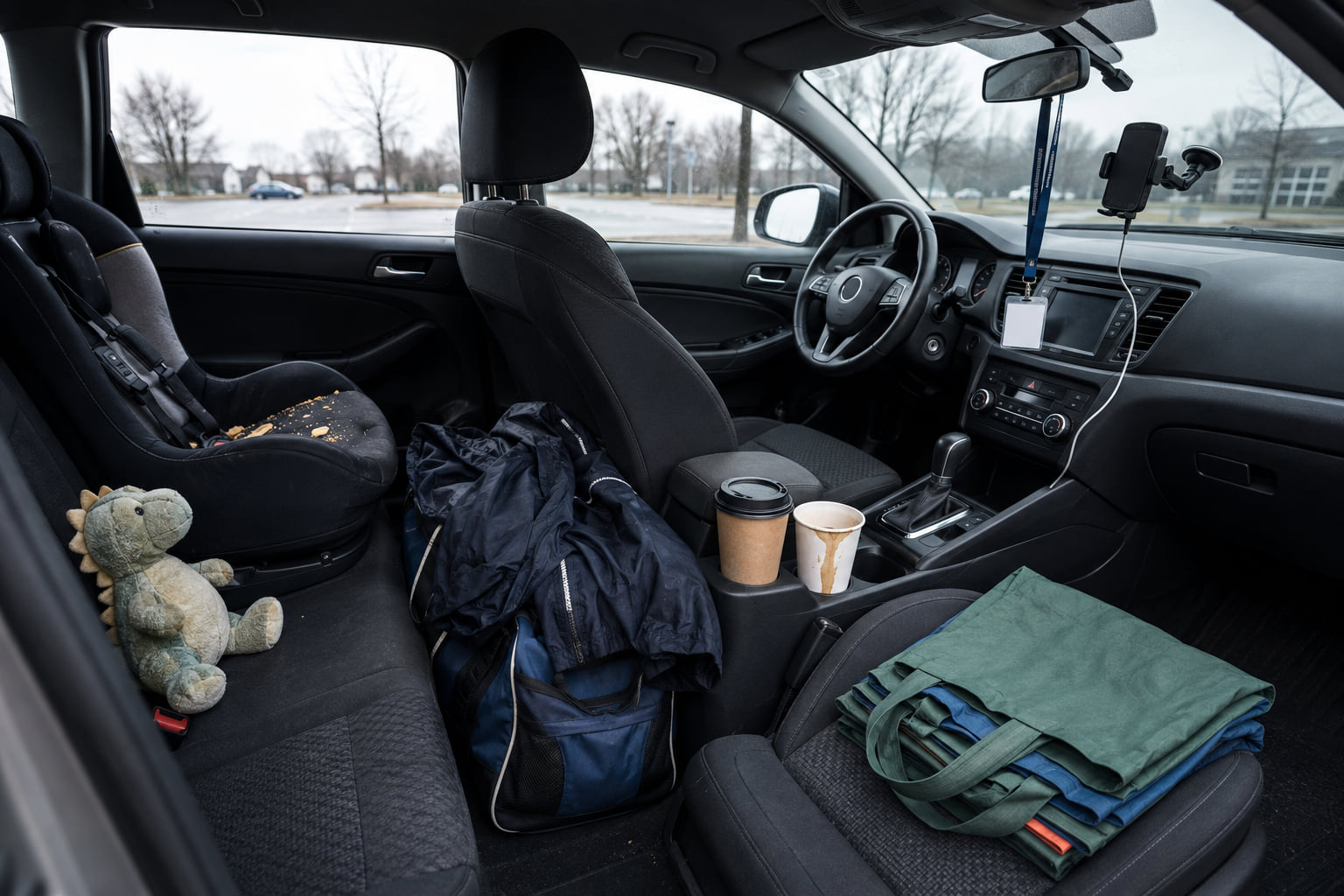
Sixty seconds with no taps. Then tap each marker and compare your notes with the reading.
Your score, read by Holmes
Nought to four. You looked, which most people do, and you saw a car, which is where most people stop. The marks you missed were not small. The second cup was in the holder in front of you, and the badge hung beside the mirror. What you did was name the scene and move on, and the fix is not to look harder. It is to look in an order: the scene first, then every object in it, one at a time, asking what has happened to it. The eye skips when it has no list. Give it one.
Five to nine. You found the objects and lost the meanings, or you found the easy half. A child seat with crumbs on it is an object. A toddler who rides most days is a reading. The gap between those two sentences is the entire skill, and it is where most people who think of themselves as observant actually live. Go back to each object you did find and ask what state it is in, and what that state took: time, weather, a habit, a postponement. The crumbs are recent. The toy is not.
Ten to fourteen. Good. You read the sun-faded toy as a clock and the buried gym bag as a postponement, which is what they are. What is left to learn is to say it in one sentence before you have finished looking, because a sentence that names the object and what its state proves is what a case asks for, and it is what the day's photograph scores.
Why the eye misses what is in front of it
Not because it is small. Because it is not where the eye goes. The eye goes to the centre, to faces, to the brightest thing and to whatever moves, and a photograph of a parked car has none of those, so it drifts to the windscreen and parks there. The footwell, the far corner of the back seat, the badge at the edge of the mirror: those are at the margins, and the margins are where the evidence waits, because nobody tidies the margins before a photograph.
There is a well-known experiment in which people counting passes in a basketball game fail to notice a person in a gorilla suit walk through the middle of it. The lesson is not that people are blind. It is that attention is a budget, and if you spend all of it on the task you set yourself, there is none left for the gorilla. The remedy is a second pass with the budget pointed at the edges, and then a third asking what is absent. The Bureau's note on attention to detail has the longer version, and Kim's game is the oldest drill for it.
The order that finds things
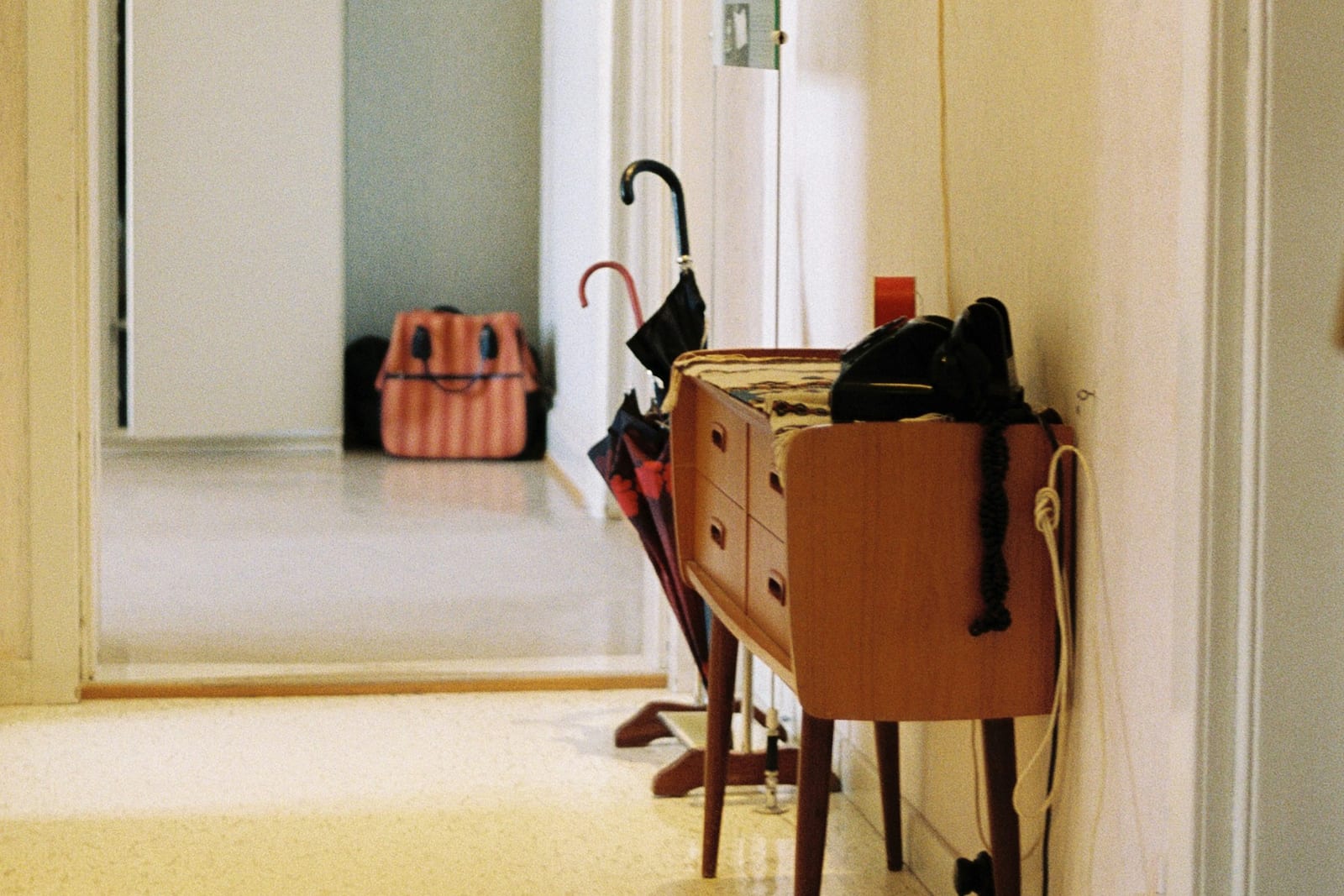
Give the eye a route and it stops skipping. Centre first, since it is going there anyway: name what the photograph is of, in four words, and move on. Then the four edges, one at a time, left to right along the bottom and back along the top, naming every object you pass, including the dull ones. Then the tense of each object: new, used, used up, put away, left out. Then what is missing. A car with a child seat and no child, a table with a laptop left plugged in and nobody at it, a hallway with one glove. The absence is usually the sentence the question wants. Only after all four passes do you say a word about the person, and by then the word will have evidence under it.
Test two, with no taps
Go back to the café table at the top of the page. Three questions. How many people were working at it. How long ago did they step away. What did they leave behind that proves they are coming back. Write your three answers, with the object that proves each one, before you read on.
The café table, answered
01 · Who sat
One laptop, one mug, one backpack, and the table beside it bare. One person has been working here. Nobody else has a thing on the table.
02 · How long
Not long. The laptop is still open and the white cable is still in the wall. Anyone leaving for the day pulls the plug and takes the machine.
03 · Left behind
The backpack on the bench, the laptop on its charger, the mug at its elbow. Nobody abandons all three. The owner has stepped away, for a counter or a door, and is coming back.
The reading
One person working alone stepped away a few minutes ago, trusting the room with a laptop and a bag, and is coming back.
One of three is where most people start. Three of three, each with the object that proves it, and you should stop reading this page and go and file a case. If you had the backpack but not the cable, you read the loudest mark and skipped the quiet one, which is the commonest fault in this trade and the easiest to fix: look at the wall before you look at the table.
The real test is scored
This page did not score you. The numbers above are yours, and a generous reader gives themselves a generous mark. A real test hands you a photograph you have never seen, asks one question, and scores the answer against someone who knows what happened. That is what Daily Holmes does every morning: one photograph, one question about the people in it, your written reading, and a mark out of a hundred with the reasons. The photograph changes at midnight and the archive keeps the old ones, so the test does not repeat. If you prefer to find a single clue rather than write a reading, picture puzzles explains how those cases work.
You have had your sixty seconds of practice. Today's photograph is the examination.
Frequently asked questions
Is this a validated observation test?
No. It is a training exercise with a scoring rule you apply to yourself. Validated attention tests exist for recruitment and clinical use, and they look nothing like a photograph of a car. This one measures the habit that matters for reading a scene: whether you name the objects, then the state of each, before you say anything about the person.
What is a good score on this observation test?
Seven of fourteen means you found most of the objects. Ten or more means you also read what their state implies, which is the actual skill. Below five, the fix is order rather than effort: scan the centre, then every edge, then ask what is missing, and only then say who the owner is.
How can I become more observant?
Look in a fixed order so the eye cannot skip, say what you see in writing before you interpret it, and get your reading checked against an answer. Repetition without the check teaches nothing. A daily photograph with a scored reading does the third part for you.
Is there a free daily observation test?
Daily Holmes publishes one photograph a day, free, with a single question about the people in it. You write what you deduce and receive a score with the reasons, and the archive keeps earlier cases to practise on.